
How Oil Palm Tree Farming is Transforming Women’s Lives in Kisarawe.
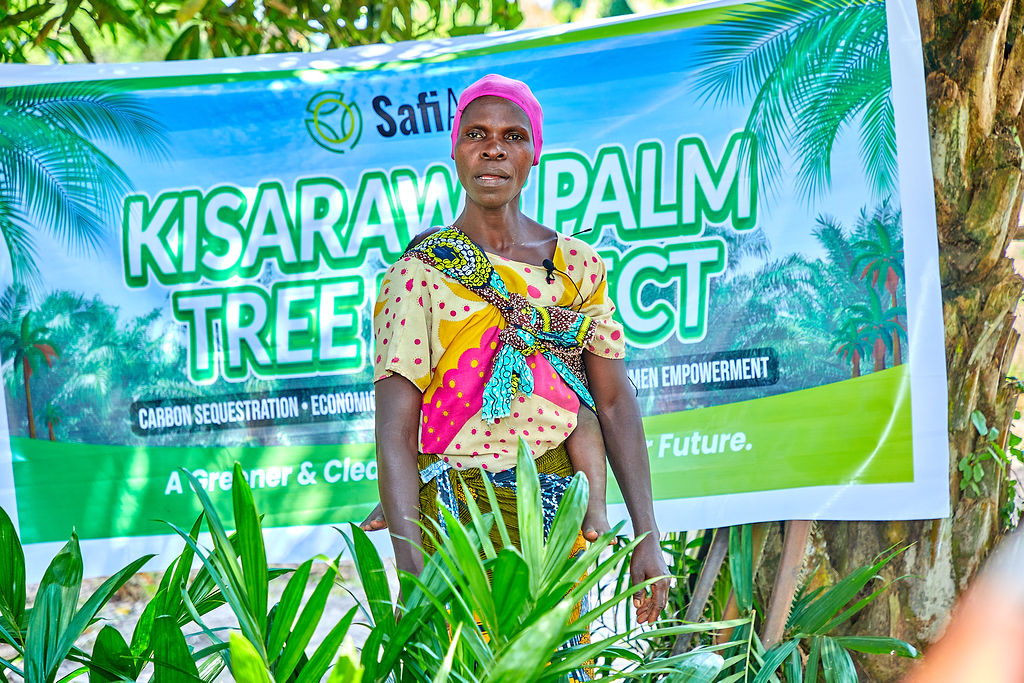
In the heart of Kisarawe, a district in Tanzania’s Pwani region, a quiet revolution is taking place. For years, the local women here have been grappling with the harsh realities of economic hardship, where opportunities are scarce, and many have had to rely on unsustainable practices like charcoal production to make ends meet. This practice, while providing short-term financial relief, has long-term devastating impacts on the environment, contributing to widespread deforestation and environmental degradation.
However, change is on the horizon. Thanks to the introduction of oil palm tree farming, the women of Kisarawe are finding new hope and opportunities that are not only transforming their lives but also positively impacting their communities and the environment.
Empowering Women Economically
The shift from charcoal production to oil palm tree farming is a game-changer for many women in Kisarawe. Traditionally, charcoal production has been a male-dominated activity, leaving women with fewer income-generating opportunities. The introduction of oil palm farming, however, has opened new doors for women to actively participate in an industry that is both profitable and sustainable.
Through training programs provided by Safi Africa, women are learning the skills needed to cultivate and harvest oil palm trees. This education goes beyond just farming techniques; it includes lessons in financial management, business skills, and environmental stewardship. With these tools, women are not just workers in the oil palm industry—they are becoming entrepreneurs, managing their own plots of land and reaping the benefits of their labor.
Sustainable Livelihoods and Environmental Conservation
One of the most significant advantages of oil palm tree farming is its sustainability. Unlike the charcoal industry, which relies on the continuous cutting down of trees, oil palm farming encourages the planting and nurturing of trees. This shift is crucial for regions like Kisarawe, where deforestation has been rampant.
As more women turn to oil palm farming, the pressure on the region’s forests decreases, leading to a more balanced and healthy ecosystem. This sustainable approach not only ensures a steady income for the women involved but also contributes to the long-term health of the environment—a win-win for both the community and nature.
Building Stronger Communities
The impact of oil palm farming extends beyond just economic empowerment and environmental conservation. It is fostering a sense of community and collaboration among the women involved. Working together, they are able to share knowledge, support each other’s endeavors, and collectively address the challenges they face. This camaraderie is strengthening the social fabric of Kisarawe, creating a more resilient and supportive community.
Moreover, as these women gain financial independence, they are better able to invest in their families’ futures, particularly in the education of their children. This investment in the next generation is crucial for breaking the cycle of poverty and ensuring a brighter future for Kisarawe.
A Brighter Future for Kisarawe’s Women
The transformation brought about by oil palm tree farming is just beginning, but its impact is already profound. For the women of Kisarawe, this new industry is more than just a way to make a living—it is a pathway to independence, sustainability, and community growth. By embracing this opportunity, they are not only securing their own futures but also contributing to the broader effort to create a more sustainable and equitable world.
As oil palm farming continues to take root in Kisarawe, the lives of the women involved are sure to blossom, bringing with them the promise of a brighter, greener future for all.