
How Oil Palm Tree Farming is Reducing Charcoal Business and Saving Forests
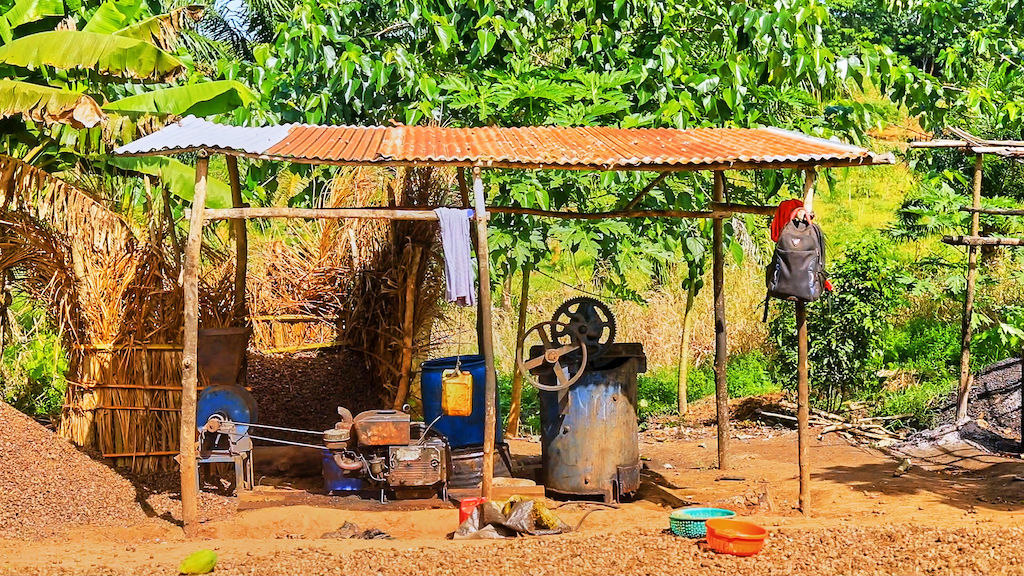
Charcoal production has long been a primary source of income for many communities, particularly in regions like Kisarawe in Tanzania’s Pwani region. However, this practice comes at a steep environmental cost. Extensive tree cutting for charcoal has led to severe deforestation, threatening biodiversity and contributing to climate change. In response to this challenge, innovative solutions like oil palm tree farming are emerging as sustainable alternatives that are not only preserving forests but also providing new economic opportunities for local communities.
The Environmental Impact of Charcoal Production
Charcoal production is deeply rooted in many rural economies, where it provides a vital source of income. However, the process involves cutting down vast numbers of trees, often from natural forests, unprotected village lands, and farmlands. This leads to significant deforestation, which disrupts ecosystems, reduces biodiversity, and contributes to soil degradation. The loss of trees also diminishes the capacity of these areas to act as carbon sinks, thereby exacerbating the effects of climate change.
In Kisarawe, as in many other parts of Tanzania, the reliance on charcoal has become unsustainable. With fewer trees to cut down, the cycle of poverty deepens as communities face diminishing returns from an increasingly depleted resource.
Oil Palm Tree Farming: A Sustainable Alternative
Recognizing the need for a more sustainable source of income, Safi Africa has introduced oil palm tree farming in Kisarawe as an alternative to charcoal production. Oil palm trees are a viable crop in this region, offering several advantages over traditional charcoal production.
1. Economic Empowerment: Oil palm tree farming provides a steady source of income for local farmers. By cultivating oil palm trees, farmers can harvest the fruit, process it into palm oil, and sell it in local and regional markets. This shift offers a more stable and sustainable income compared to the fluctuating and often destructive charcoal business.
2. Environmental Conservation: Unlike charcoal production, oil palm tree farming does not require the cutting down of trees. Instead, it involves planting and nurturing trees, which helps to restore and preserve the local environment. By reducing the need for tree cutting, oil palm farming plays a crucial role in combating deforestation and promoting reforestation efforts.
3. Community Development: Safi Africa’s initiative not only introduces oil palm farming but also supports the establishment of small-scale processing plants. These plants are managed by local women and youth groups, who are trained in sustainable farming practices, oil processing, and business management. This empowerment of local communities leads to greater economic independence and a reduction in the reliance on environmentally damaging practices.
The Transition from Charcoal to Oil Palm
The introduction of oil palm tree farming has been well-received in Kisarawe. Many community members, who previously depended on charcoal for their livelihoods, are now transitioning to this more sustainable practice. The success of this initiative is evident in the growing number of farmers who are planting oil palm trees and participating in the local processing and sale of palm oil.
As more people adopt oil palm farming, the demand for charcoal is gradually decreasing, leading to fewer trees being cut down. This transition not only benefits the environment but also helps break the cycle of poverty by providing a more reliable and sustainable source of income.
Conclusion
Oil palm tree farming is proving to be a game-changer in the fight against deforestation caused by charcoal production. By offering a sustainable alternative, it is helping to preserve forests, protect biodiversity, and promote environmental conservation. At the same time, it is empowering local communities in Kisarawe with new economic opportunities, fostering a brighter and more sustainable future. As more regions adopt this approach, the impact could be far-reaching, contributing significantly to the global effort to combat climate change and protect our planet’s natural resources.